Category: Relativity and Reaction (R&R)
-

End Notes for relating to the blog page So You Think This Is About Climate Change?
-
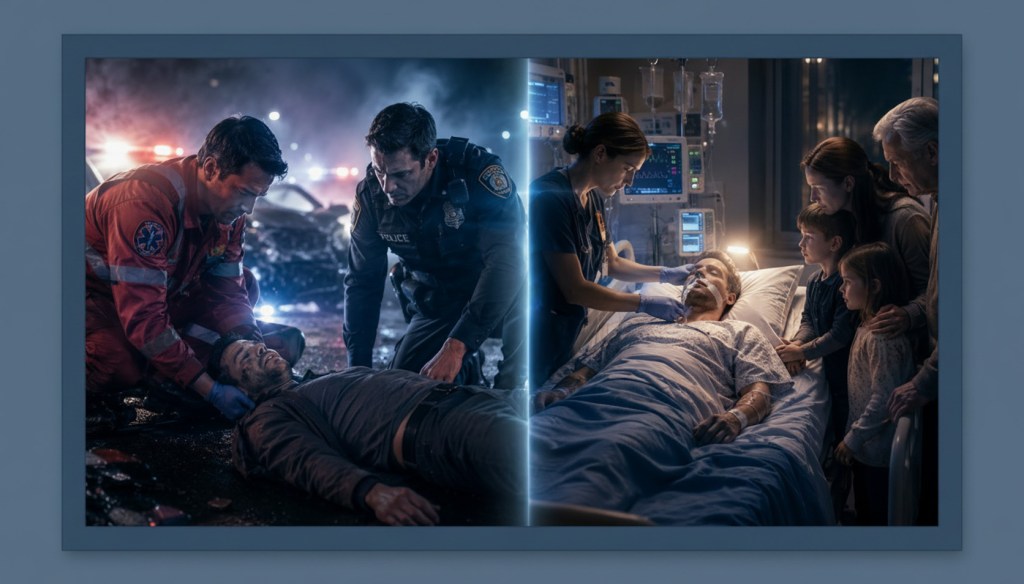
In the modern Western world, there is a structured division between wealth generation and societal responsibility, supported by defined mechanisms for financing that responsibility. The purpose of taxation is not simply to raise money, but to transform individual economic activity into shared societal capability.
-

By looking back through Earth’s evolutionary history, the Great Filter becomes more than an astronomical puzzle. It becomes an example of how careful observation, rational analysis, and a willingness to question assumptions can improve our understanding of reality and the decisions we make.
-
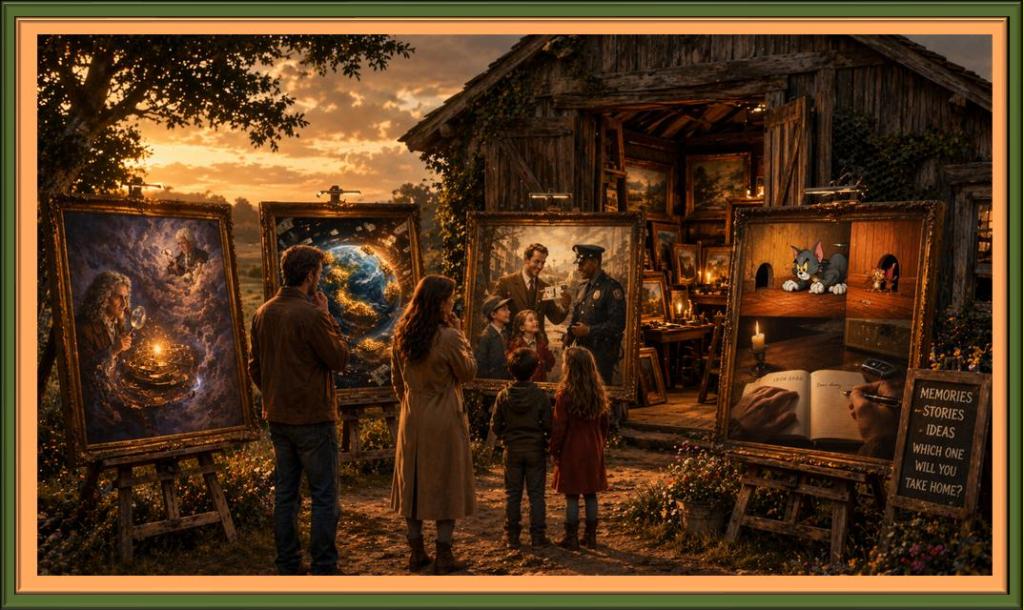
Newton’s understanding of gravity provided a framework for the solar system based on the knowledge of his time. Reconstructing this frame with modern knowledge reveals its limits. Understanding assumptions and their consequences applies even in physics—reminding us that all models reflect the knowledge and constraints of their era.
-

Newton’s understanding of gravity provided a framework for the solar system based on the knowledge of his time. Reconstructing this frame with modern knowledge reveals its limits. Understanding assumptions and their consequences applies even in physics—reminding us that all models reflect the knowledge and constraints of their era.
-
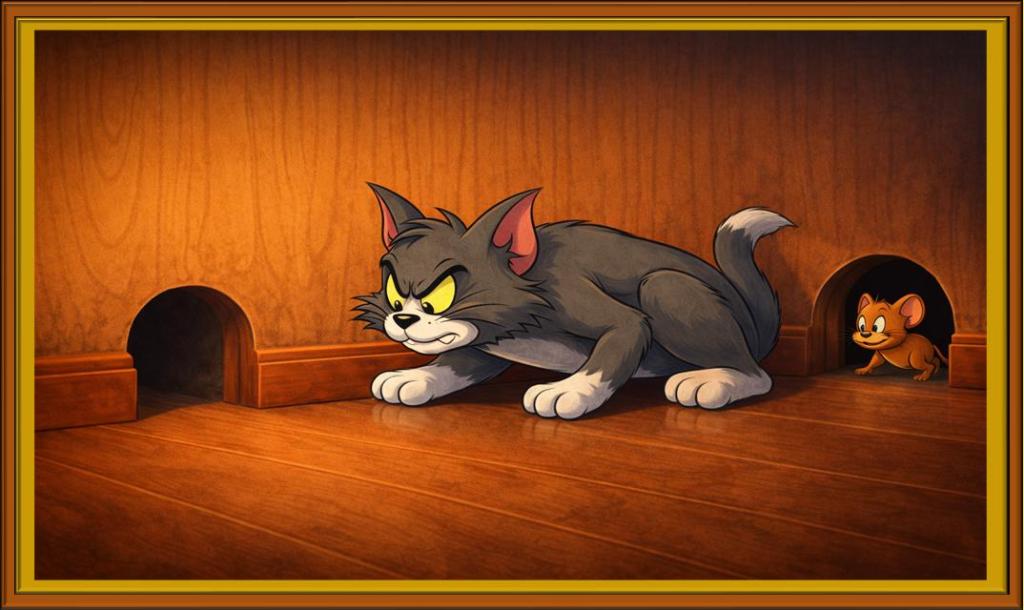
Framing simplifies the analysis of complex systems by focusing attention. Whether in chemistry, economics, software, or social behaviour, the same structural questions apply: • What enters the frame? • What leaves it? • What transformations occur inside? • What accumulates?
-

Mutual knowledge of identity seems to frame the scope of the conversations we have with one another. What we believe we know about the person we are speaking to quietly defines what feels possible, appropriate, or useful to discuss.
-
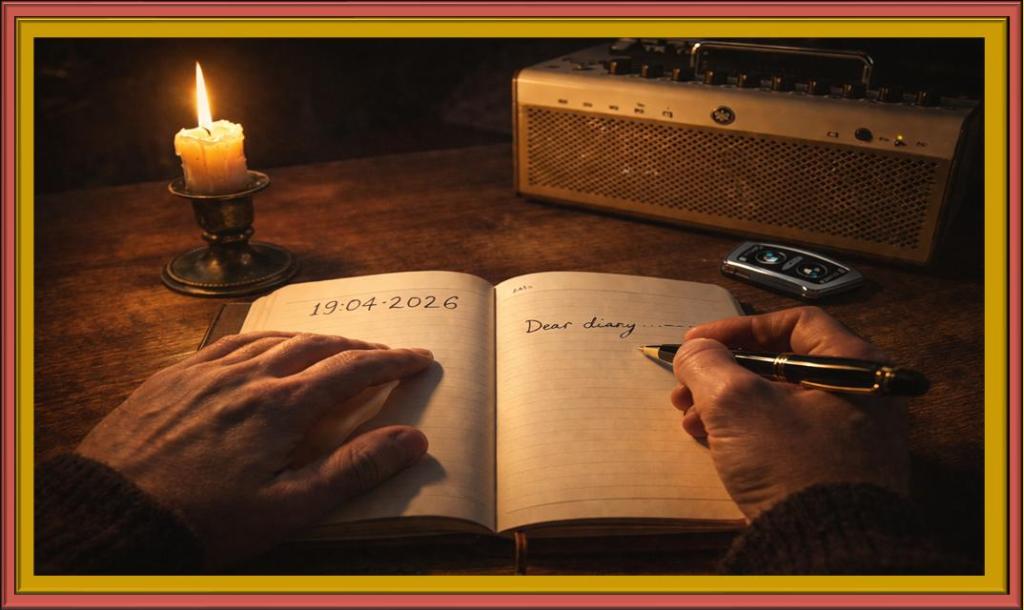
Mutual knowledge of identity seems to frame the scope of the conversations we have with one another. What we believe we know about the person we are speaking to quietly defines what feels possible, appropriate, or useful to discuss.
-
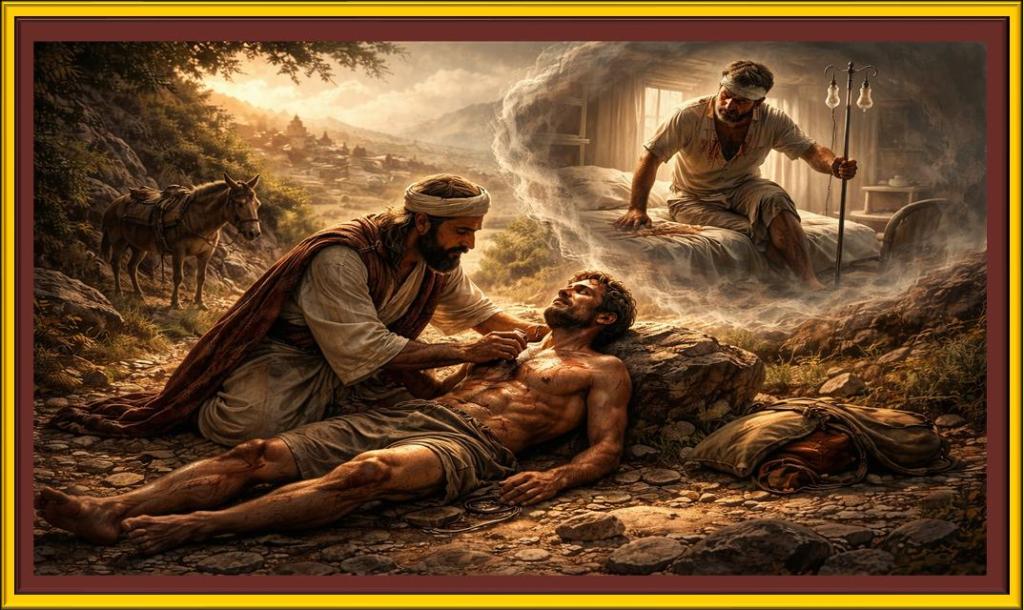
Situations like peanut allergies seem simple: risk is identified, others respond. But they reflect a broader question of how responsibility is shared. Who manages risk, and what is reasonable? When systems respond, where is the balance between individual responsibility and collective protection—and when does protection become excessive or ineffective?
-

To frame something is to place boundaries around it so that it can be observed, interpreted, and acted upon. Without a frame, everything merges into everything else, and clarity is lost. Like a picture frame, it defines what is inside and what is outside. It allows us to focus.

