Category: Relativity and Reaction (R&R)
-
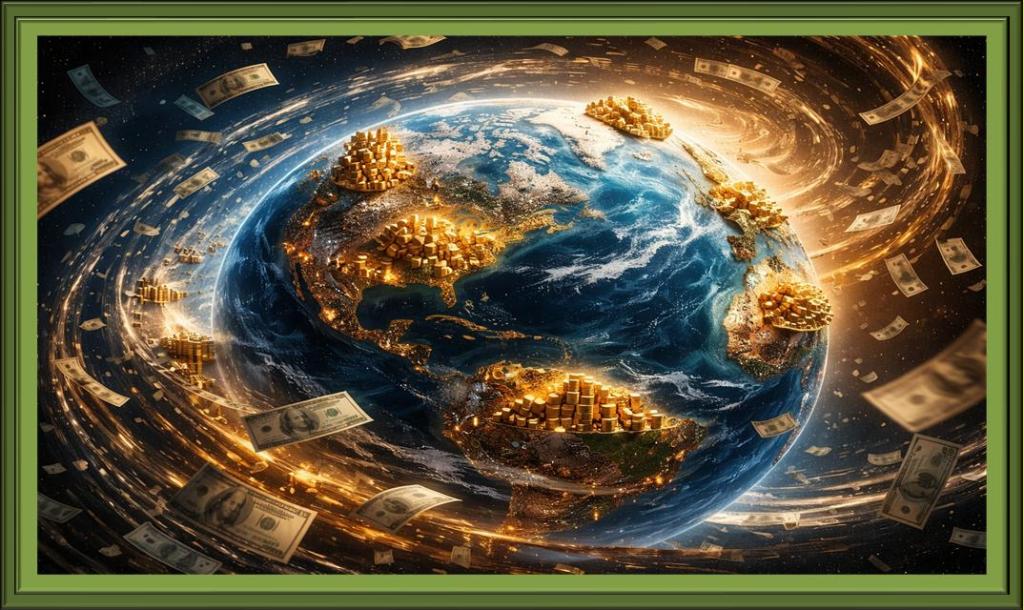
Money allows us to balance our needs against our resources. We exchange effort for money, and money translates the value of our time and skills into something comparable. By applying framing, we can better understand where money comes from, where it goes, and where it accumulates.
-
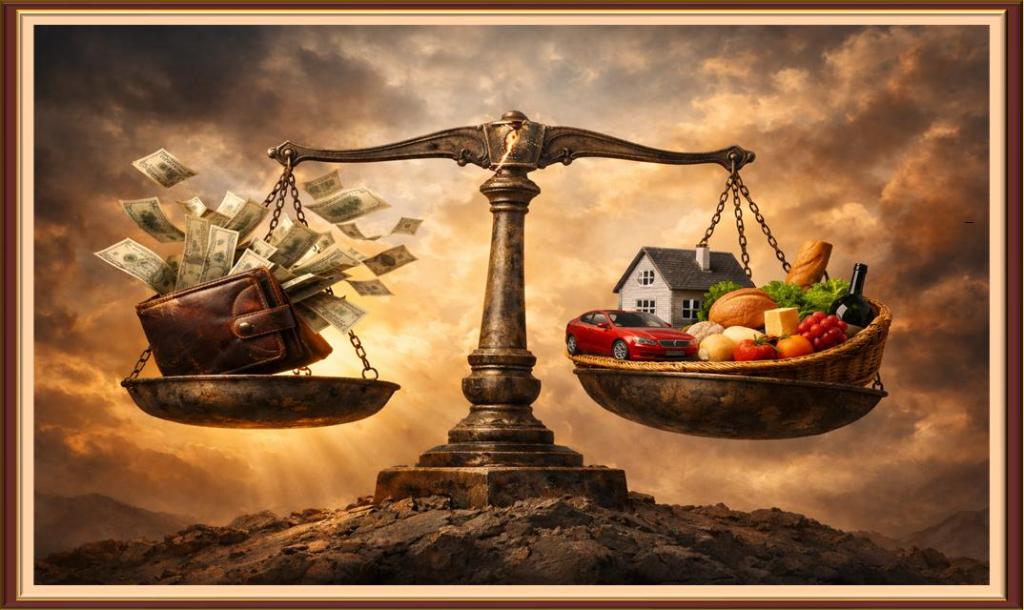
Keeping a watchful eye on where your money goes prevents unpleasant surprises. We deal with subscriptions, recurring payments, and one-off expenses. Monthly income must cover both regular costs and annual fluctuations. Staying in control requires regular audits—something that takes time and intention.
-

The horsemen of the apocalypse no longer ride only on atomic steeds. Biological, digital, economic, and environmental forces now scale globally. Technology allows individuals to influence millions. Signals may arrive as narrative or propaganda, but consequences ripple outward, destabilising the Social Knowledge Base. Scale makes this unavoidable.
-

We all want to feel valued. It is a currency of human connection. Most of us, however, are not searching for applause—we are searching for meaning. Recognition comes from those who know us. Purpose comes from contribution, not from bank statements. Applause is easy to collect, but rarely worth keeping.
-
The free market is a powerful optimisation engine when its boundary conditions hold. As scale increases, feedback weakens and delay grows. Warning signals fade while consequences amplify. Like a margin call, the music slows quietly— by the time it stops, adjustment is no longer cheap.
-
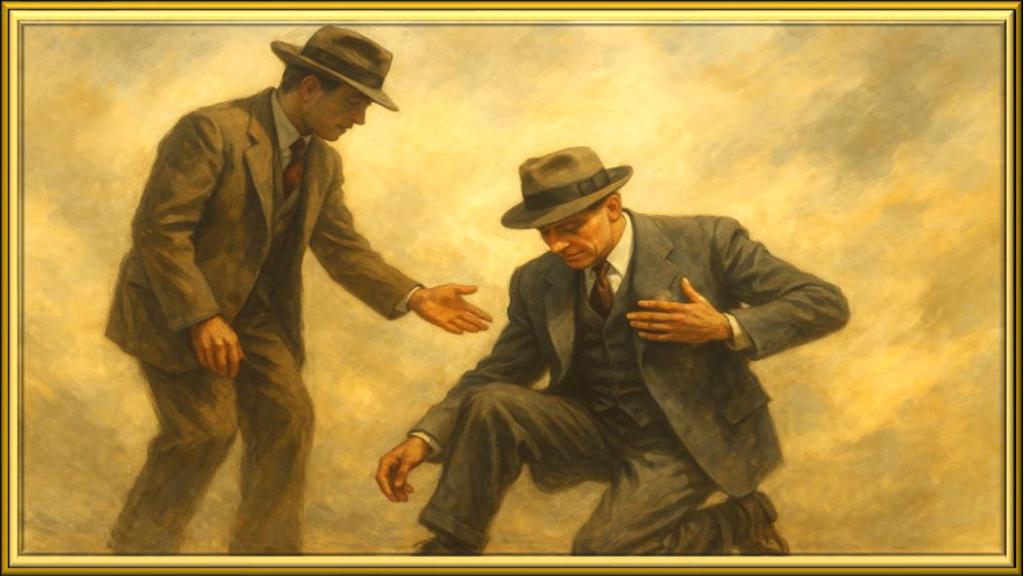
True responsibility requires more than claiming we care. It depends on understanding the situation well enough to act effectively. When we recognize our influence on outcomes, we must respond appropriately. Consistency and discipline are essential — responsibility is not a momentary choice but an ongoing commitment to thoughtful action.
-
Marshall Rosenberg’s Nonviolent Communication improved clarity by focusing on needs and reducing conflict. When we package communication into a simple sequence, it becomes easier for everyone to understand. The Observation → Consequence → Action (O-C-A) framework builds on this idea to support better decisions and more constructive interactions.
-
Globalization and scaling reshape productivity, value, and responsibility. As the world connects, the impact of every action spreads further and faster. Commerce relies on educated individuals and must take greater ownership of large-scale consequences. Capitalism isn’t broken — but continued success requires thoughtful adaptation.
-
Globalization and scaling reshape productivity, value, and responsibility. As the world connects, the impact of every action spreads further and faster. Commerce relies on educated individuals and must take greater ownership of large-scale consequences. Capitalism isn’t broken — but continued success requires thoughtful adaptation.
-
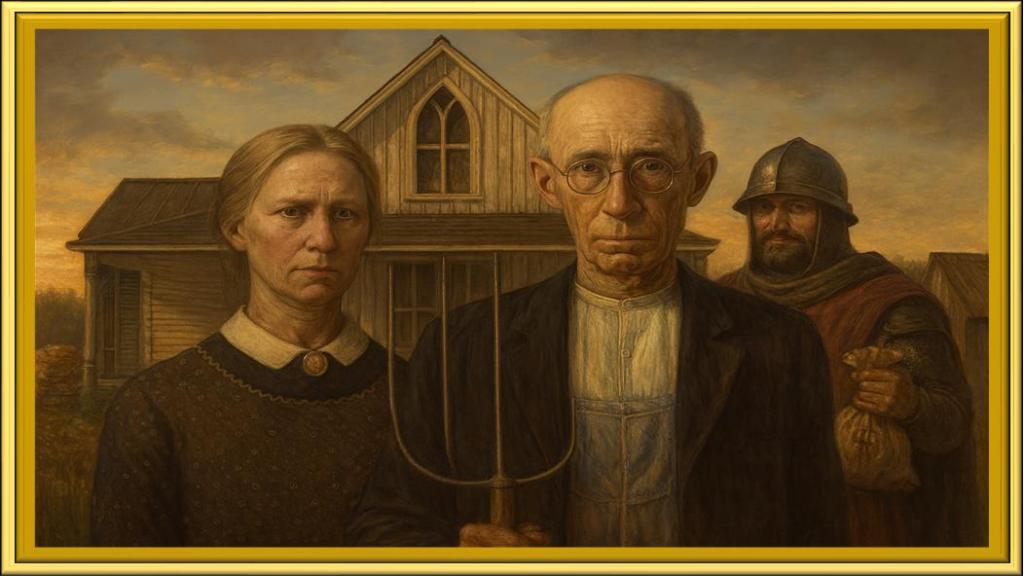
When we understand how control works, systems start to make sense. Adapting our approach—rather than pushing blindly against the structure—produces better results. Possession creates hierarchy; hierarchy creates control; security protects it; and ritual keeps the whole system cohesive, stable, and predictableWhen we understand how control works, systems start to make sense. Adapting our approach—rather than…

